




Alexander the Great and the Bathysphere
- Alexandria ad Ægyptum

- 18 févr. 2025
- 2 min de lecture
(Source: Michael Lahanas)
The Bathysphere (from Ancient Greek βαθύς (bathús) 'deep', and σφαῖρα (sphaîra) 'sphere') was a unique spherical deep-sea submersible which was unpowered and lowered into the ocean on a cable.
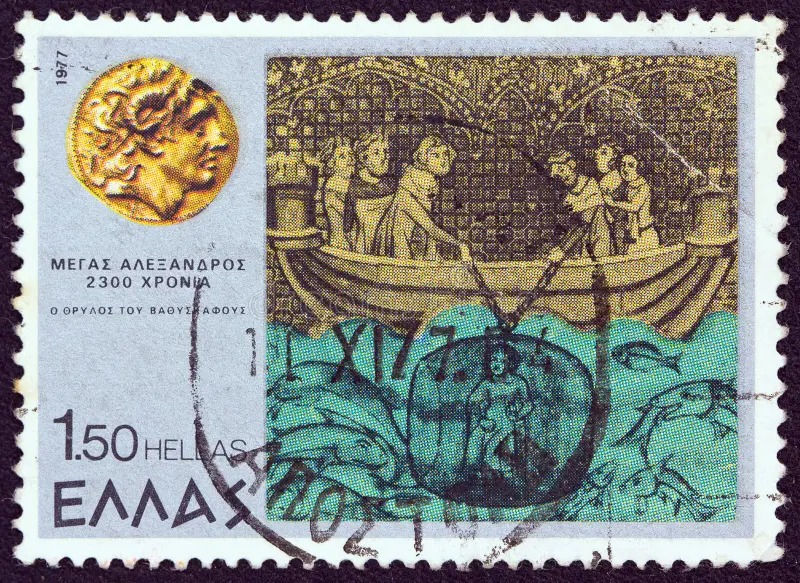
Alexander the Great visits the bottom of the sea in a kind of diving-bell. The fish crowd round him and pay homage. Image from the 'Romance of Alexander', a manuscript written and illustrated in Flanders (1340?) The device was called Colimpha.
Was the bathysphere used much earlier by Alexander the Great? The beginnings of the diving bell are primitive but functional devices, containers such as buckets or cauldrons. These devices trapped air when inverted and were placed over the diver's head before he entered the water. The first references to underwater activity dates from Egyptian Antiquity at the Thebes temples.
At 500 B.C., Scyllias, a sculptor, and his daughter Cyana were Greek divers who worked recovering treasure for the Persian king, Xerxes, breath holding. Xerxes wouldn’t let them return to their country, and so seizing an opportunity they found his fleet in difficulty, cut the anchors underwater and caused a great catastrophe. Cyana was the first working woman diver. Divers worked at bringing back cargoes from sunken ships. Holding their breath, they could stay underwater for around two minutes.
As Herodotus writes:
𝑁𝑜𝑤 𝑡𝘩𝑒 𝑃𝑒𝑟𝑠𝑖𝑎𝑛𝑠 𝘩𝑎𝑑 𝑤𝑖𝑡𝘩 𝑡𝘩𝑒𝑚 𝑎 𝑚𝑎𝑛 𝑛𝑎𝑚𝑒𝑑 𝑆𝑐𝑦𝑙𝑙𝑖𝑎𝑠, 𝑎 𝑛𝑎𝑡𝑖𝑣𝑒 𝑜𝑓 𝑆𝑐𝑖𝑜𝑛𝑒, 𝑤𝘩𝑜 𝑤𝑎𝑠 𝑡𝘩𝑒 𝑚𝑜𝑠𝑡 𝑒𝑥𝑝𝑒𝑟𝑡 𝑑𝑖𝑣𝑒𝑟 𝑜𝑓 𝘩𝑖𝑠 𝑑𝑎𝑦. 𝐴𝑡 𝑡𝘩𝑒 𝑡𝑖𝑚𝑒 𝑜𝑓 𝑡𝘩𝑒 𝑠𝘩𝑖𝑝𝑤𝑟𝑒𝑐𝑘 𝑜𝑓𝑓 𝑀𝑜𝑢𝑛𝑡 𝑃𝑒𝑙𝑖𝑜𝑛 𝘩𝑒 𝘩𝑎𝑑 𝑟𝑒𝑐𝑜𝑣𝑒𝑟𝑒𝑑 𝑓𝑜𝑟 𝑡𝘩𝑒 𝑃𝑒𝑟𝑠𝑖𝑎𝑛𝑠 𝑎 𝑔𝑟𝑒𝑎𝑡 𝑝𝑎𝑟𝑡 𝑜𝑓 𝑤𝘩𝑎𝑡 𝑡𝘩𝑒𝑦 𝑙𝑜𝑠𝑡; 𝑎𝑛𝑑 𝑎𝑡 𝑡𝘩𝑒 𝑠𝑎𝑚𝑒 𝑡𝑖𝑚𝑒 𝘩𝑒 𝘩𝑎𝑑 𝑡𝑎𝑘𝑒𝑛 𝑐𝑎𝑟𝑒 𝑡𝑜 𝑜𝑏𝑡𝑎𝑖𝑛 𝑓𝑜𝑟 𝘩𝑖𝑚𝑠𝑒𝑙𝑓 𝑎 𝑔𝑜𝑜𝑑 𝑠𝘩𝑎𝑟𝑒 𝑜𝑓 𝑡𝘩𝑒 𝑡𝑟𝑒𝑎𝑠𝑢𝑟𝑒. 𝐻𝑒 𝘩𝑎𝑑 𝑓𝑜𝑟 𝑠𝑜𝑚𝑒 𝑡𝑖𝑚𝑒 𝑏𝑒𝑒𝑛 𝑤𝑖𝑠𝘩𝑖𝑛𝑔 𝑡𝑜 𝑔𝑜 𝑜𝑣𝑒𝑟 𝑡𝑜 𝑡𝘩𝑒 𝐺𝑟𝑒𝑒𝑘𝑠; 𝑏𝑢𝑡 𝑛𝑜 𝑔𝑜𝑜𝑑 𝑜𝑝𝑝𝑜𝑟𝑡𝑢𝑛𝑖𝑡𝑦 𝘩𝑎𝑑 𝑜𝑓𝑓𝑒𝑟𝑒𝑑 𝑡𝑖𝑙𝑙 𝑛𝑜𝑤, 𝑤𝘩𝑒𝑛 𝑡𝘩𝑒 𝑃𝑒𝑟𝑠𝑖𝑎𝑛𝑠 𝑤𝑒𝑟𝑒 𝑚𝑎𝑘𝑖𝑛𝑔 𝑡𝘩𝑒 𝑚𝑢𝑠𝑡𝑒𝑟 𝑜𝑓 𝑡𝘩𝑒𝑖𝑟 𝑠𝘩𝑖𝑝𝑠. 𝐼𝑛 𝑤𝘩𝑎𝑡 𝑤𝑎𝑦 𝘩𝑒 𝑐𝑜𝑛𝑡𝑟𝑖𝑣𝑒𝑑 𝑡𝑜 𝑟𝑒𝑎𝑐𝘩 𝑡𝘩𝑒 𝐺𝑟𝑒𝑒𝑘𝑠 𝐼 𝑎𝑚 𝑛𝑜𝑡 𝑎𝑏𝑙𝑒 𝑡𝑜 𝑠𝑎𝑦 𝑓𝑜𝑟 𝑐𝑒𝑟𝑡𝑎𝑖𝑛: 𝐼 𝑚𝑎𝑟𝑣𝑒𝑙 𝑚𝑢𝑐𝘩 𝑖𝑓 𝑡𝘩𝑒 𝑡𝑎𝑙𝑒 𝑡𝘩𝑎𝑡 𝑖𝑠 𝑐𝑜𝑚𝑚𝑜𝑛𝑙𝑦 𝑡𝑜𝑙𝑑 𝑏𝑒 𝑡𝑟𝑢𝑒. '𝑇𝑖𝑠 𝑠𝑎𝑖𝑑 𝘩𝑒 𝑑𝑖𝑣𝑒𝑑 𝑖𝑛𝑡𝑜 𝑡𝘩𝑒 𝑠𝑒𝑎 𝑎𝑡 𝐴𝑝𝘩𝑒𝑡𝑎𝑒, 𝑎𝑛𝑑 𝑑𝑖𝑑 𝑛𝑜𝑡 𝑜𝑛𝑐𝑒 𝑐𝑜𝑚𝑒 𝑡𝑜 𝑡𝘩𝑒 𝑠𝑢𝑟𝑓𝑎𝑐𝑒 𝑡𝑖𝑙𝑙 𝘩𝑒 𝑟𝑒𝑎𝑐𝘩𝑒𝑑 𝐴𝑟𝑡𝑒𝑚𝑖𝑠𝑖𝑢𝑚, 𝑎 𝑑𝑖𝑠𝑡𝑎𝑛𝑐𝑒 𝑜𝑓 𝑛𝑒𝑎𝑟𝑙𝑦 𝑒𝑖𝑔𝘩𝑡𝑦 𝑓𝑢𝑟𝑙𝑜𝑛𝑔𝑠 (𝟷𝟻 𝑘𝑖𝑙𝑜𝑚𝑒𝑡𝑒𝑟𝑠). 𝑁𝑜𝑤 𝑚𝑎𝑛𝑦 𝑡𝘩𝑖𝑛𝑔𝑠 𝑎𝑟𝑒 𝑟𝑒𝑙𝑎𝑡𝑒𝑑 𝑜𝑓 𝑡𝘩𝑖𝑠 𝑚𝑎𝑛 𝑤𝘩𝑖𝑐𝘩 𝑎𝑟𝑒 𝑝𝑙𝑎𝑖𝑛𝑙𝑦 𝑓𝑎𝑙𝑠𝑒; 𝑏𝑢𝑡 𝑠𝑜𝑚𝑒 𝑜𝑓 𝑡𝘩𝑒 𝑠𝑡𝑜𝑟𝑖𝑒𝑠 𝑠𝑒𝑒𝑚 𝑡𝑜 𝑏𝑒 𝑡𝑟𝑢𝑒. 𝑀𝑦 𝑜𝑤𝑛 𝑜𝑝𝑖𝑛𝑖𝑜𝑛 𝑖𝑠 𝑡𝘩𝑎𝑡 𝑜𝑛 𝑡𝘩𝑖𝑠 𝑜𝑐𝑐𝑎𝑠𝑖𝑜𝑛 𝘩𝑒 𝑚𝑎𝑑𝑒 𝑡𝘩𝑒 𝑝𝑎𝑠𝑠𝑎𝑔𝑒 𝑡𝑜 𝐴𝑟𝑡𝑒𝑚𝑖𝑠𝑖𝑢𝑚 𝑖𝑛 𝑎 𝑏𝑜𝑎𝑡. 𝐻𝑜𝑤𝑒𝑣𝑒𝑟 𝑡𝘩𝑖𝑠 𝑚𝑖𝑔𝘩𝑡 𝑏𝑒, 𝑆𝑐𝑦𝑙𝑙𝑖𝑎𝑠 𝑛𝑜 𝑠𝑜𝑜𝑛𝑒𝑟 𝑟𝑒𝑎𝑐𝘩𝑒𝑑 𝐴𝑟𝑡𝑒𝑚𝑖𝑠𝑖𝑢𝑚 𝑡𝘩𝑎𝑛 𝘩𝑒 𝑔𝑎𝑣𝑒 𝑡𝘩𝑒 𝐺𝑟𝑒𝑒𝑘 𝑐𝑎𝑝𝑡𝑎𝑖𝑛𝑠 𝑎 𝑓𝑢𝑙𝑙 𝑎𝑐𝑐𝑜𝑢𝑛𝑡 𝑜𝑓 𝑡𝘩𝑒 𝑑𝑎𝑚𝑎𝑔𝑒 𝑑𝑜𝑛𝑒 𝑏𝑦 𝑡𝘩𝑒 𝑠𝑡𝑜𝑟𝑚, 𝑎𝑛𝑑 𝑙𝑖𝑘𝑒𝑤𝑖𝑠𝑒 𝑡𝑜𝑙𝑑 𝑡𝘩𝑒𝑚 𝑜𝑓 𝑡𝘩𝑒 𝑠𝘩𝑖𝑝𝑠 𝑠𝑒𝑛𝑡 𝑡𝑜 𝑚𝑎𝑘𝑒 𝑡𝘩𝑒 𝑐𝑖𝑟𝑐𝑢𝑖𝑡 𝑜𝑓 𝐸𝑢𝑏𝑜𝑒𝑎.


Commentaires